Unveiling the Mysteries of Aged Cheese: Why Time Makes It Drier, Pittier, and Crumblier
There’s a distinct allure to a well-aged cheese. Its robust aroma, complex flavor profile, and unique texture set it apart from its younger counterparts. But what precisely happens behind the scenes as a humble block of cheese matures over months, or even years, transforming it into the drier, pittier, and notably crumblier delight we so often savor? The answer lies in a fascinating interplay of time, biology, and chemistry, a process that is as artful as it is scientific.
For connoisseurs and casual enthusiasts alike, understanding the aging process not only deepens appreciation but also helps in making informed choices, from selecting the perfect cheese for a board to incorporating it into culinary creations. Let's delve into the intricate journey of cheese maturation, exploring the science that dictates its evolving characteristics and the delightful results that emerge.
Decoding "Old Cheese": The Aging Timeline and Its Terminology
When we speak of "old cheese," we're not just referring to any cheese that's been around for a while. In many cheese-producing cultures, particularly in the Netherlands, there are specific designations that denote a cheese's age and, consequently, its expected characteristics. These terms provide a valuable roadmap for understanding the cheese's journey and the sensory experience it promises.
In the Dutch tradition, for instance, a significant milestone occurs when cheese reaches a certain age. The widely recognized *benaming voor kaas die ouder is dan een jaar* (name for cheese that is older than a year) is "Oude Kaas." This classification marks a pivotal stage where the cheese begins to exhibit the profound changes associated with prolonged maturation.
Oude Kaas: The 12-Month Milestone
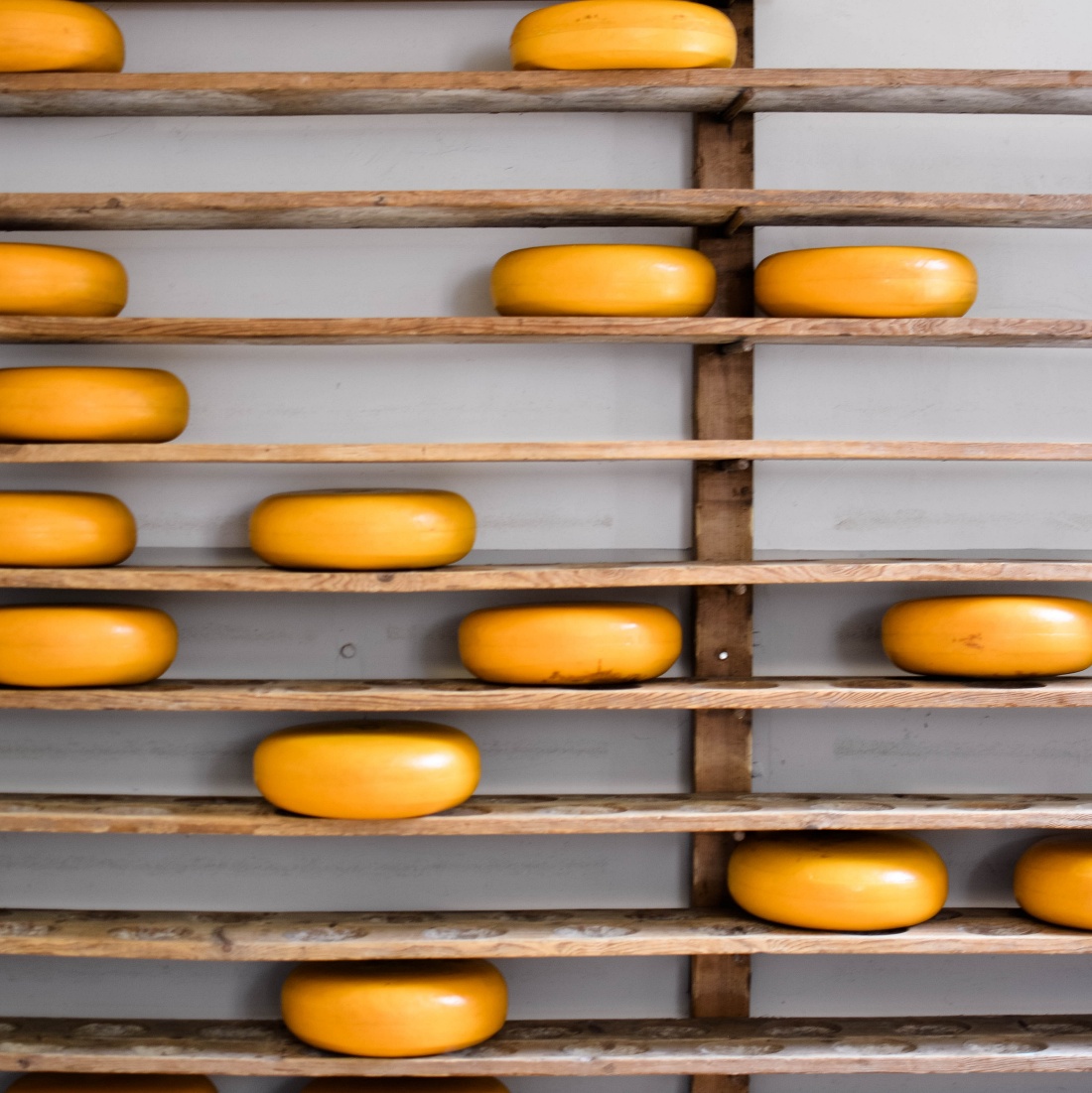
"Oude Kaas," or Old Cheese, is typically a term reserved for cheese that has undergone a minimum of 12 months of ripening. This extensive period in a carefully controlled environment, often a cheese warehouse or cellar, allows for a significant transformation compared to young cheese (which may age for only a few weeks) or even "belegen" (matured) cheese (aged typically 4-6 months).
During these 12 months, the cheese experiences substantial moisture loss, becoming noticeably firmer and denser. The flavors deepen considerably, moving beyond the creamy, milky notes of young cheese to develop a more pronounced, often nutty or savory character. The texture also begins to change, exhibiting the first signs of its characteristic crumbliness. This extended aging is truly when the cheese starts to develop its distinct personality, becoming a beloved staple on bread, a standout on a cheeseboard, or a flavorful addition to countless dishes.
Overjarige Kaas: The 24-Month Masterpiece
Taking the aging process a considerable step further, "Overjarige Kaas" (Extra-Aged or Vintage Cheese) represents the pinnacle of maturation for many Dutch cheese varieties. This designation is given to cheese that has ripened for an impressive minimum of 24 months. Doubling the aging time of Oude Kaas results in an even more intense and complex product.
Overjarige Kaas is characterized by an even greater loss of moisture, making it remarkably hard, often barely sliceable, and intensely crumbly. The flavor profile is profoundly rich and piquant, bursting with umami notes and often hints of caramel or butterscotch. A hallmark of
Overjarige Kaas is the development of visible white ripening crystals, primarily tyrosine. These tiny, crunchy specks are a testament to the extensive breakdown of proteins and contribute a unique, satisfying textural element. For those seeking an unparalleled depth of flavor and a truly unique cheese experience, Overjarige Kaas offers an extraordinary indulgence.
The journey from young cheese to Oude Kaas and then to Overjarige Kaas illustrates a progressive concentration of flavor and a dramatic shift in texture, driven by the continuous processes of moisture reduction and biochemical activity. This nuanced understanding of these categories is crucial for anyone looking to fully appreciate the spectrum of aged cheeses. For a deeper dive into these distinctions, you might find our article
Oude Kaas vs. Overjarige Kaas: Decoding Aged Cheese Ripening particularly insightful.
The Science Behind the Transformation: Why Older Means Drier, Pittier, and Crumblier
The evolution of cheese during aging is far from a passive process. It's a dynamic period driven by controlled environmental conditions and the tireless work of microorganisms and enzymes. These factors collectively contribute to the distinct characteristics of aged cheese.
Moisture Loss: The Primary Driver
Perhaps the most significant factor in the transformation of cheese as it ages is the gradual loss of moisture. Cheeses are typically stored in cool, humid environments, but over months and years, water slowly evaporates from the cheese block.
*
Concentration Effect: As water leaves, the remaining solids—proteins, fats, and minerals—become more concentrated. This naturally intensifies the flavor, as the same amount of flavor compounds are packed into a smaller volume.
*
Texture Change: Water acts as a plasticizer in cheese, contributing to its elasticity and softness. As it evaporates, the protein matrix tightens and hardens. This loss of flexibility is precisely what makes aged cheese become increasingly *drier* and *crumblier*. The once pliable texture gives way to a more brittle structure that snaps and shatters rather than bends.
Enzymatic Breakdown: Flavor Deepens and Crystals Form
While moisture loss accounts for much of the textural change, the development of the rich, piquant flavor ("pittier") is primarily due to enzymatic activity. Enzymes, originating from the starter cultures, rennet, and sometimes additional bacteria or molds, tirelessly break down the complex components of the cheese:
*
Protein Degradation (Proteolysis): Enzymes break down large protein molecules into smaller peptides and amino acids. These smaller compounds contribute significantly to the savory, umami, and often nutty flavors characteristic of aged cheese. Tyrosine, a specific amino acid, can crystalize during extensive aging, forming the crunchy white specks found in cheeses like Overjarige Kaas. These crystals are not salt, but rather a sign of profound protein breakdown.
*
Fat Degradation (Lipolysis): Enzymes also break down milk fats into fatty acids. These fatty acids contribute to the complex aroma and flavor profiles, often imparting notes described as sharp, piquant, or even slightly fruity, adding to the "pittiness."
*
Lactose Metabolism: Residual lactose (milk sugar) is converted into lactic acid, and further metabolized by bacteria, contributing to the tangy notes and helping to lower the pH, which also influences texture and acts as a natural preservative.
This biochemical symphony orchestrated by enzymes is responsible for the deep, multi-layered flavors that define aged cheese, differentiating it so profoundly from the milder, simpler tastes of younger varieties.
The Unique Sensory Experience: Pitty, Crumbly, and Rich
The culmination of moisture loss and enzymatic action results in a sensory experience unlike any other cheese. When you bite into an old, mature cheese, you're greeted by a symphony of textures and flavors.
*
The Dryness: The cheese feels firm, almost waxy, and often resistant to cutting, especially for very old varieties. This dryness contributes to a longer, more satisfying chew.
*
The Pittiness: The flavors are concentrated and intense. Expect a burst of savory, salty, and often sweet notes, sometimes with hints of roasted nuts, caramel, or even a slight bitterness that balances the richness. The pungency can range from a gentle tingle to a powerful, mouth-watering zest that lingers pleasantly.
*
The Crumbliness: Instead of a smooth, uniform slice, aged cheese tends to fracture and crumble, revealing its crystalline structure. This "shatter" in the mouth is part of its unique charm, providing a delightful textural contrast to its richness.
These characteristics make old cheese not just a food item, but a culinary adventure.
Beyond the Basics: Health, Pairing, and Enjoyment
Aged cheese isn't just a treat for the palate; it also comes with its own set of nutritional considerations and offers vast culinary versatility.
Nutritional Profile of Aged Cheese
As mentioned in the reference context, aged cheese tends to be slightly fattier than young cheese. This is a direct consequence of moisture loss: with less water, the remaining components, including fat, become more concentrated. While it means a higher percentage of fat per gram, it's also important to remember that this concentration also applies to other nutrients like protein and calcium.
The nutritional advice from experts often highlights that while aged cheese is delicious, moderation is key, particularly concerning saturated fat content. However, it's also a rich source of protein and calcium, vital for bone health and muscle function. For individuals with lactose intolerance, many aged cheeses contain very little to no lactose, as it has been metabolized during the long aging process, making them more digestible.
Culinary Versatility and Pairing Perfection
The robust flavor and unique texture of aged cheese open up a world of culinary possibilities:
*
On Its Own: A simple slice on crusty bread allows the complex flavors to shine.
*
Cheeseboards: An absolute essential. Pair with fruits like apples, pears, or figs, and complementary accompaniments such as fig jam, mustard, or indeed, the traditional Dutch apple syrup. Its intense flavor stands up beautifully against sweet or tangy elements.
*
In Salads: Crumble aged cheese over green salads for a burst of salty, savory richness. It pairs wonderfully with nuts and vinaigrettes.
*
Cooking: While it might not melt as smoothly as younger cheeses, its strong flavor makes it an excellent grating cheese for pasta, risottos, or enriching sauces. Shave thin curls over roasted vegetables or use it to add depth to sandwiches and toasts.
*
Wine and Beer Pairings: Its intensity makes it a fantastic partner for full-bodied red wines like Cabernet Sauvignon or Syrah, as well as hearty beers such as stouts or strong ales.
When serving, allow aged cheese to come to room temperature for about an hour before enjoying. This allows the fats to soften slightly, enhancing its aroma and flavor.
Conclusion
The journey from a fresh block of cheese to a complex, characterful aged delicacy is a testament to the transformative power of time and controlled conditions. The loss of moisture, coupled with the tireless work of enzymes, reshapes its physical and chemical properties, resulting in the drier, pittier, and distinctively crumblier cheese that so many adore. Whether you're savoring a nuanced Oude Kaas or indulging in the intense richness of an Overjarige Kaas, understanding the intricate aging process deepens the appreciation for these culinary masterpieces. So, the next time you encounter an aged cheese, take a moment to appreciate the incredible journey it has undertaken to reach its peak of flavor and texture, a true marvel of dairy artistry.